
The Happy Art Project — how schools benefit from Mandala-based Art Therapy
How schools
benefit
Helping schools build healthier learning environments through emotional regulation, behavioural development, and structured Art Therapy interventions.
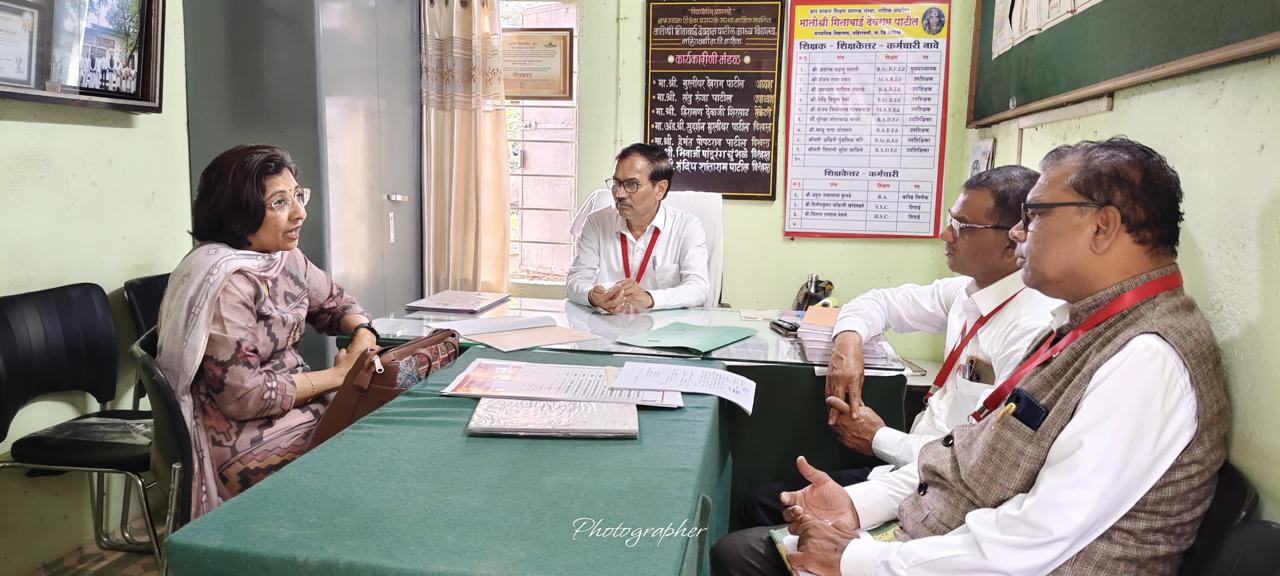
Five pillars of institutional growth
The Happy Art Project strengthens schools across five key areas — creating better classrooms, stronger educators, and more holistically developed students.
Students with better emotional balance naturally display stronger discipline and fewer disruptions.
- Better classroom discipline
- Reduced behavioural disruptions
- Improved impulse control
- Greater respect for classroom structure
Emotionally stable children participate more actively and are ready to learn.
- Higher classroom participation
- Improved attentiveness during lessons
- Better completion of academic tasks
- Increased willingness to learn
Teachers receive orientation and training to sustain the therapeutic framework independently.
- Continue practices beyond project duration
- Integrate well-being into routine learning
- Build internal capability for student support
The project complements academic education with a complete developmental framework.
- Emotional intelligence
- Behavioural maturity
- Social awareness
- Mental well-being
Schools build a lasting emotional support culture with real institutional impact.
- Healthier student culture
- Long-term institutional impact
- Stronger emotional learning foundation
How the Happy Art Project works in schools
School onboarding
Sessions and teacher orientation are set up in partnership with the school
Structured sessions
Children engage with guided Mandala therapy in a calm classroom setting
Teacher capability
Educators are trained to continue and integrate practices independently
Lasting impact
Better behaviour, engagement, and well-being across the entire school
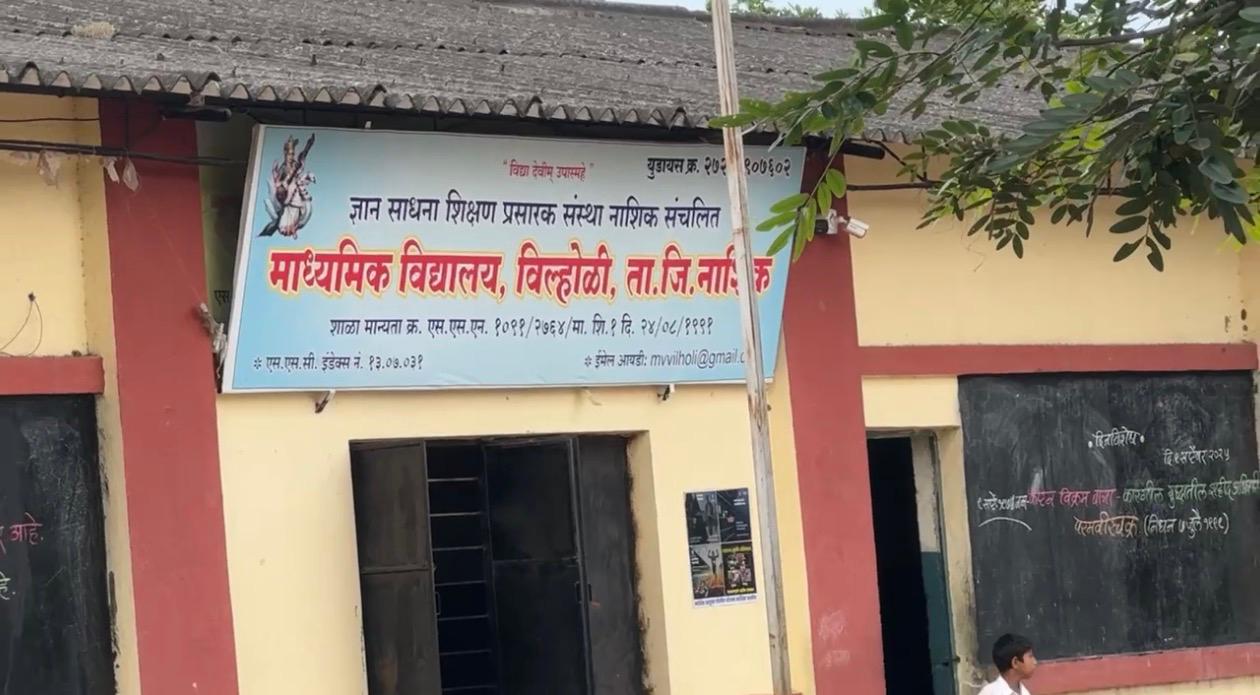
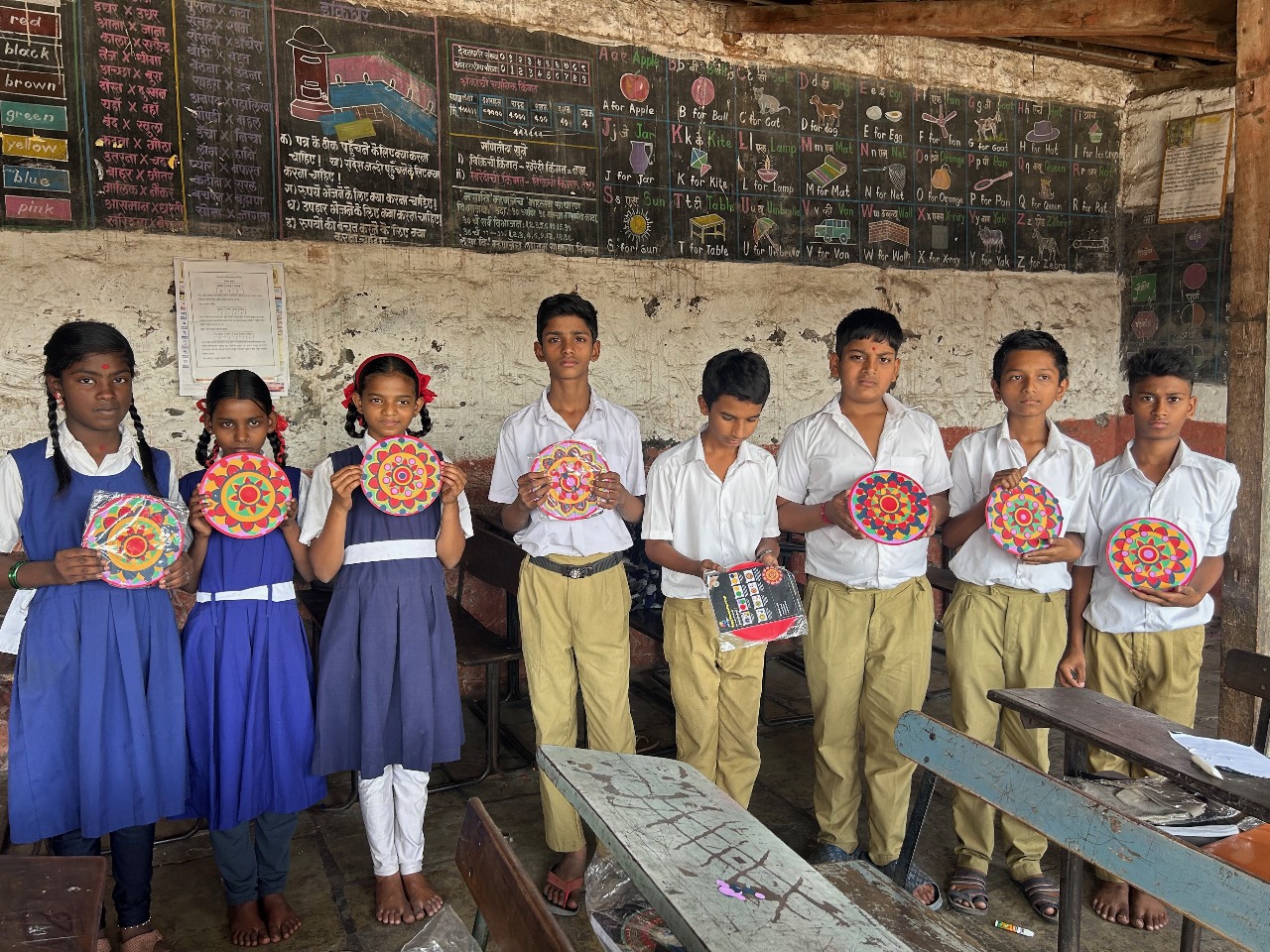
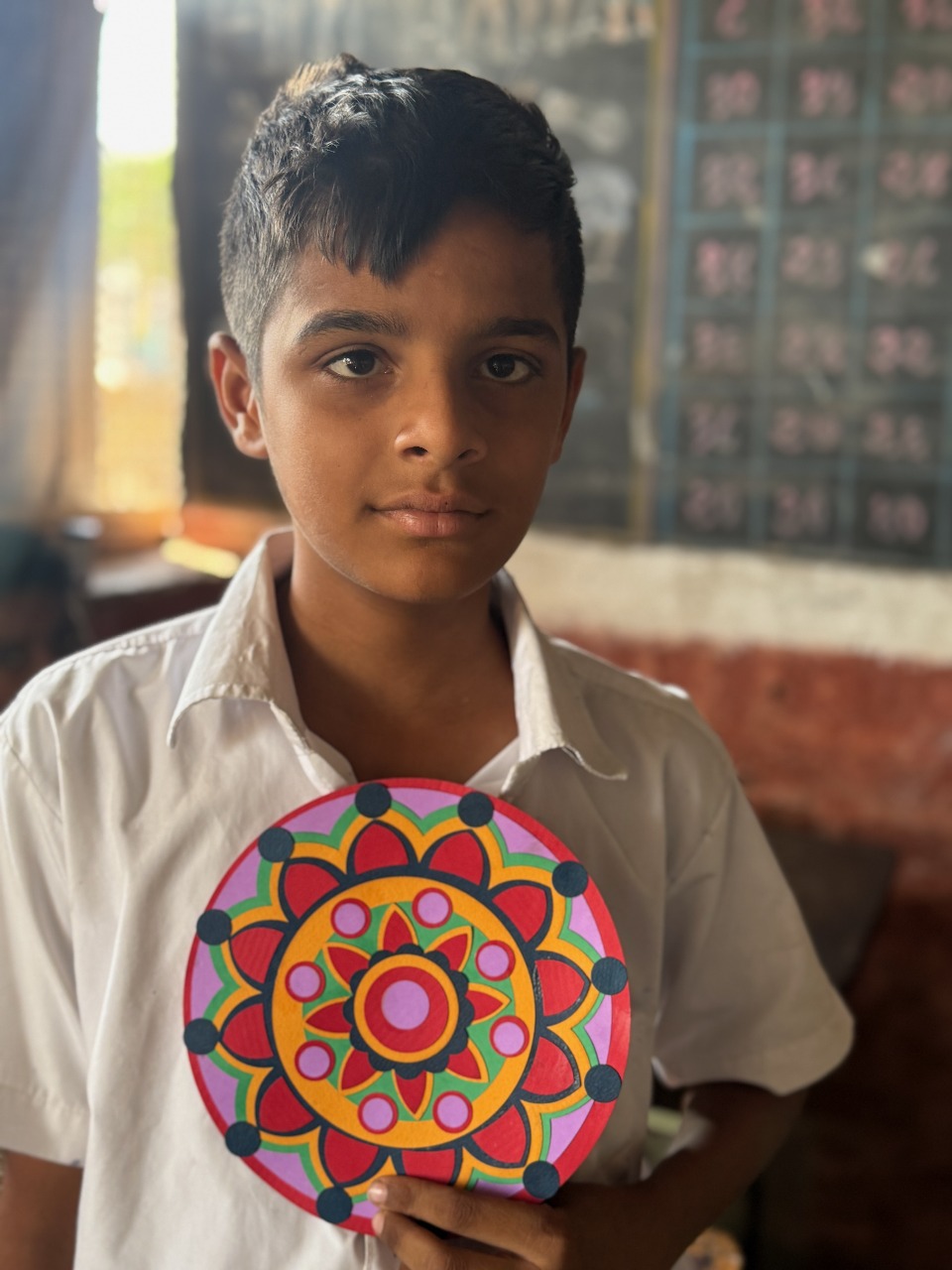
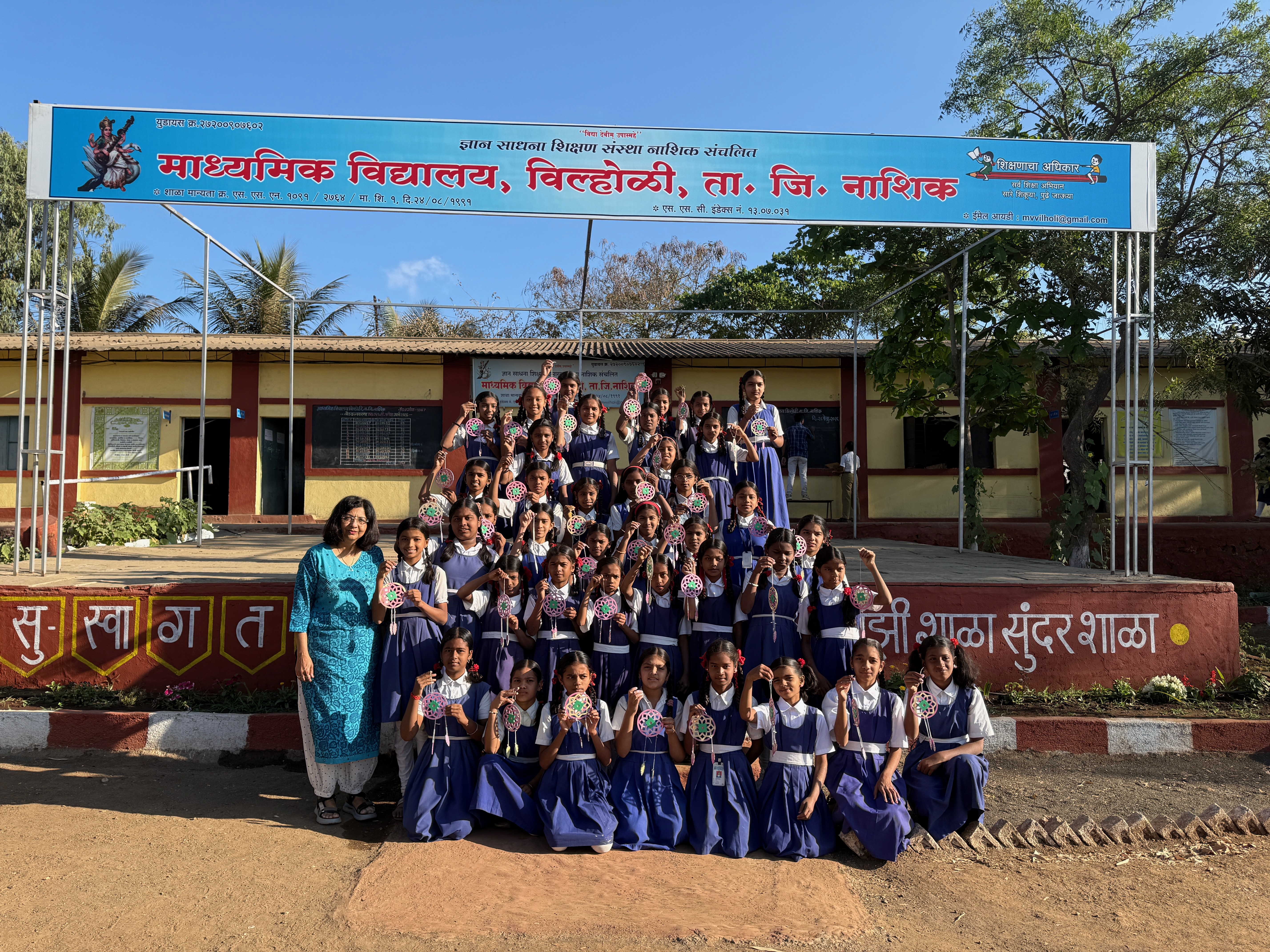
Every school deserves a healthier learning environment
Partner with the Happy Art Project to bring structured Mandala Therapy into your school and help every child thrive.
The Happy Art Project helps schools create healthier learning environments by supporting students' emotional regulation, behavioural development, and classroom engagement through structured Art Therapy interventions.
Reducing disruptions through internal regulation
Students with improved emotional balance and self-regulation display better behaviour naturally — without forced discipline. Schools benefit from:
- Better classroom discipline
- Reduced behavioural disruptions
- Improved impulse control
- Greater respect for classroom structure
This creates a more focused and manageable learning environment for educators.
Increasing participation and learning readiness
When children develop focus, emotional stability, and confidence, they engage more actively in school. Schools benefit through:
- Higher classroom participation
- Improved attentiveness during lessons
- Better completion of academic tasks
- Increased willingness to learn
Equipping educators with sustainable tools
As part of the Happy Art Project, teachers receive orientation and training to understand the therapeutic framework behind the activities. This enables schools to:
- Continue practices beyond project duration
- Integrate emotional well-being into routine learning
- Build internal capability for student support
Supporting beyond academics
The project complements academic education by nurturing the complete child. Helping schools deliver more holistic student development through:
- Emotional intelligence
- Behavioural maturity
- Social awareness
- Mental well-being
Creating sustainable emotional learning ecosystems
Beyond short-term activities, the Happy Art Project helps schools build a stronger emotional support system that contributes to healthier student culture and long-term institutional impact.
- Healthier student culture school-wide
- Sustainable internal support structures
- Long-term institutional emotional well-being
- A foundation for holistic education
The outcome — a school that nurtures the whole child
When students are emotionally regulated, classrooms become calmer. When teachers
are equipped with the right tools, well-being becomes part of everyday learning. And when schools invest in
the inner development of children, academic and social growth follow naturally.
The Happy Art Project
helps schools become places where every child feels stable, confident, and ready to grow.