
Supporting the shift toward
holistic education
Modern education policy increasingly recognises that student success depends not only on academics, but also on emotional well-being, creativity, and life skills.
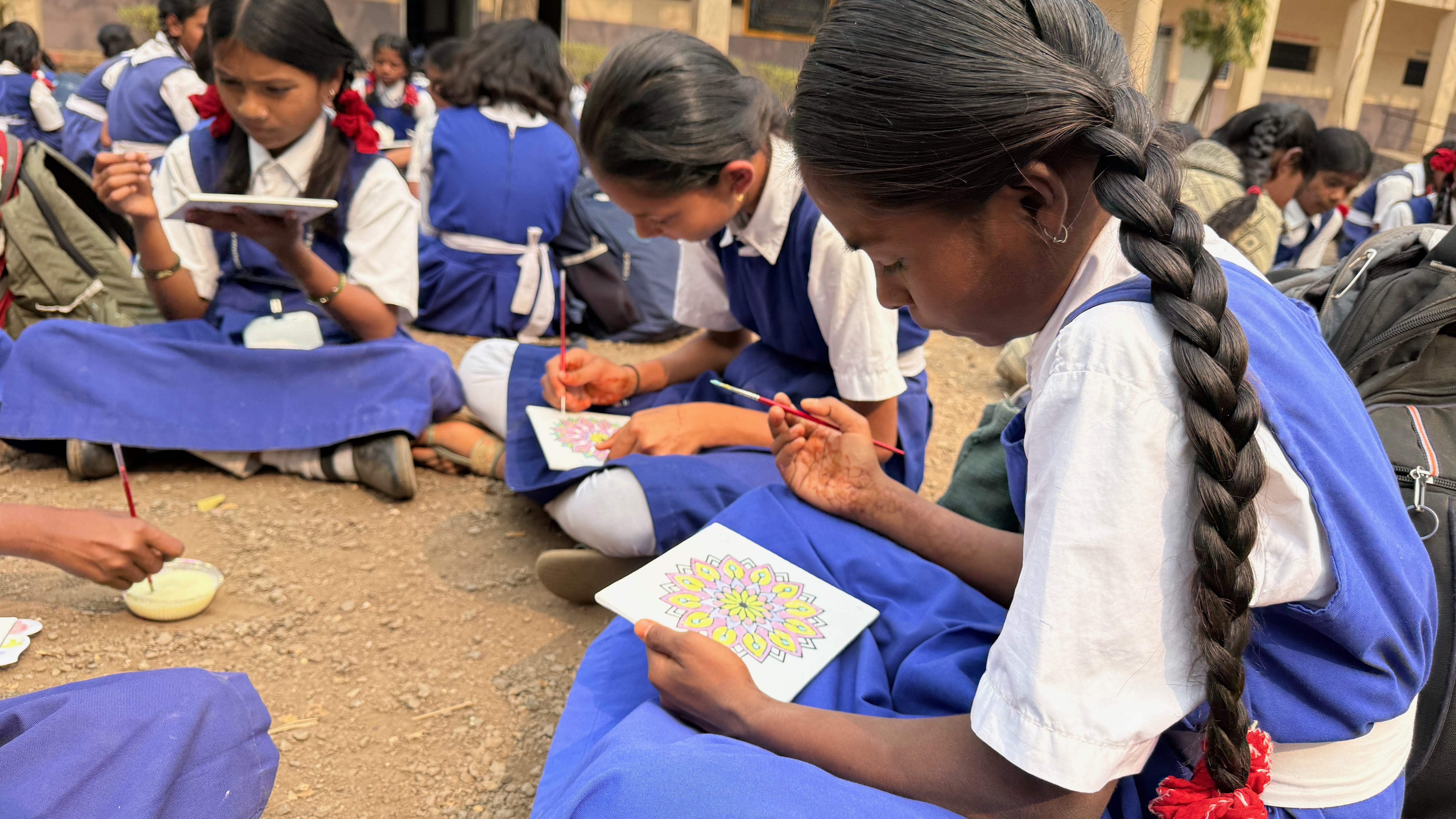
How It Aligns With Educational Policy
The Happy Art Project aligns with this evolving educational vision through structured therapeutic art-based learning — bridging the gap between academic instruction and holistic child development.
Built for modern educational frameworks
Each pillar of the Happy Art Project reflects a recognised priority within contemporary education policy — from national curriculum frameworks to global developmental goals.
The project reflects the core philosophy of Happiness Curriculum frameworks by actively promoting:
- Emotional awareness
- Mindfulness and self-reflection
- Calmness and focus
- Positive behavioural development
Rather than passive instruction, students engage in:
- Hands-on creative practice
- Reflective therapeutic exercises
- Guided experiential learning processes
This supports modern learner-centric education models.
The project contributes to educational objectives around:
- Emotional intelligence
- Social-emotional learning
- Behavioural maturity
- Mental wellness
Because Mandala Therapy is visual and process-based, it provides an inclusive developmental tool for children across diverse backgrounds and learning styles.
The structured format allows schools to integrate the program alongside regular curriculum with minimal disruption while adding meaningful developmental value.
How the programme fits into school systems
School onboarding
Align on schedule, grade levels, and integration with existing timetable
Baseline assessment
Pre-intervention evaluation of emotional and behavioural indicators per student
Structured sessions
Mandala Therapy sessions delivered alongside curriculum with minimal disruption
Progress tracking
Ongoing documentation of student development and observable outcomes
Impact report
Post-assessment data shared with schools and institutional stakeholders
A programme built for the modern classroom
The Happy Art Project doesn't ask schools to rethink their curriculum — it integrates seamlessly while adding the developmental dimensions that policy frameworks increasingly demand.
Happiness Curriculum — reflects core principles of emotional awareness, mindfulness, and positive behaviour.
NEP 2020 alignment — supports the national push toward experiential, activity-based, and learner-centric pedagogy.
Social-emotional learning — directly targets EI, behavioural maturity, and mental wellness goals.
Inclusive design — visual, non-verbal approach accommodates diverse learners without adaptation.
Minimal disruption — structured delivery that fits within standard school scheduling and operations.
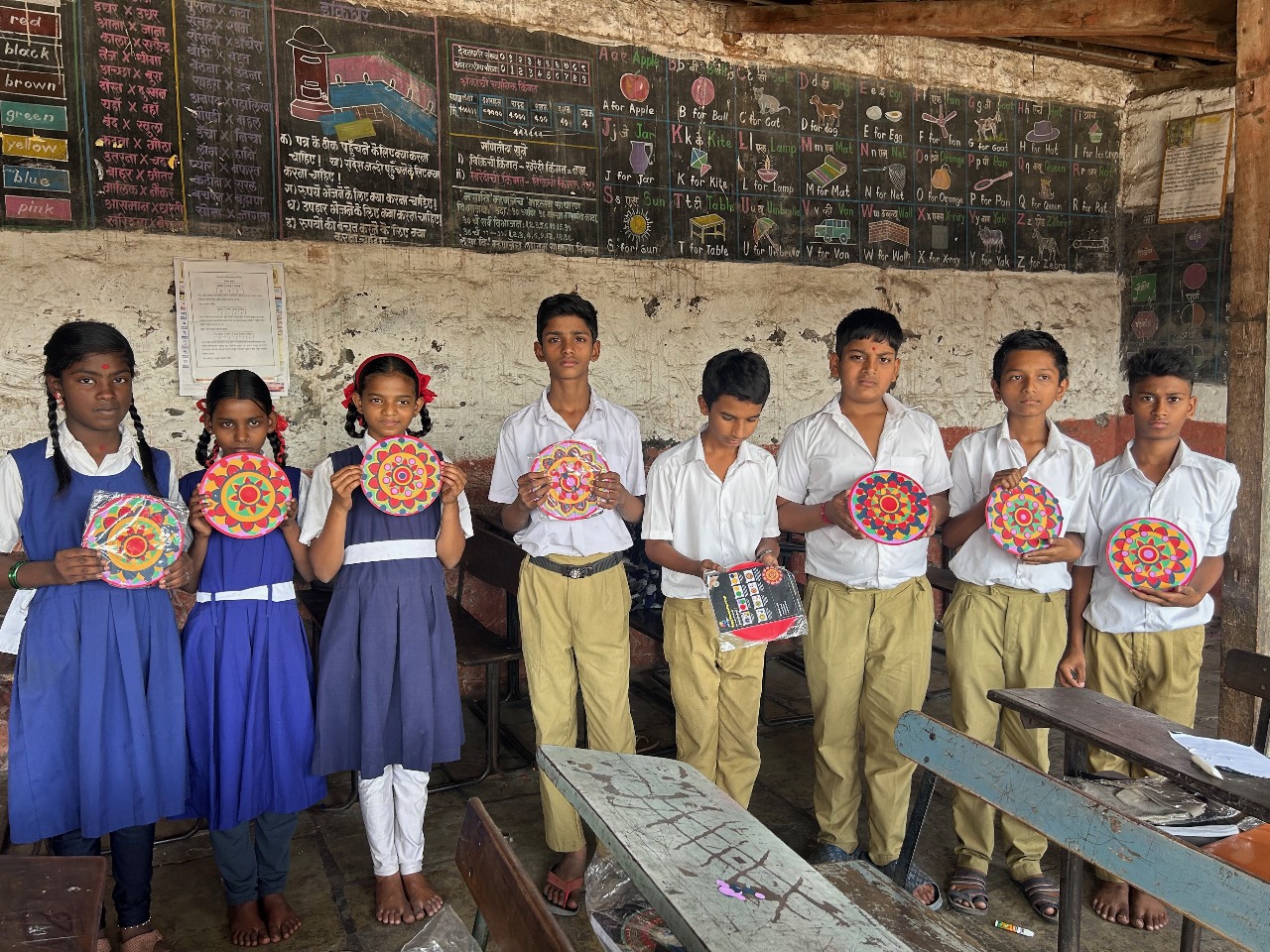
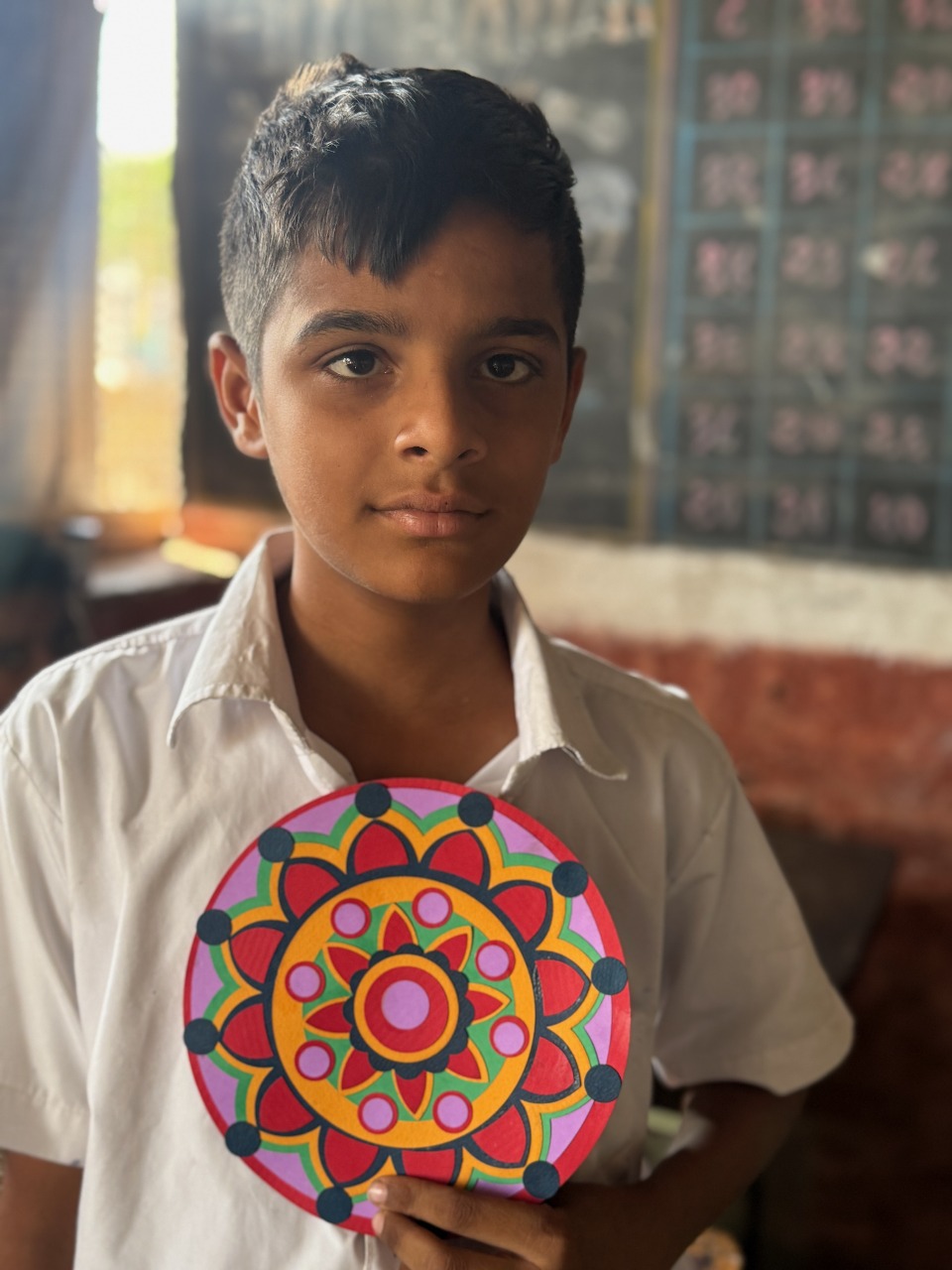
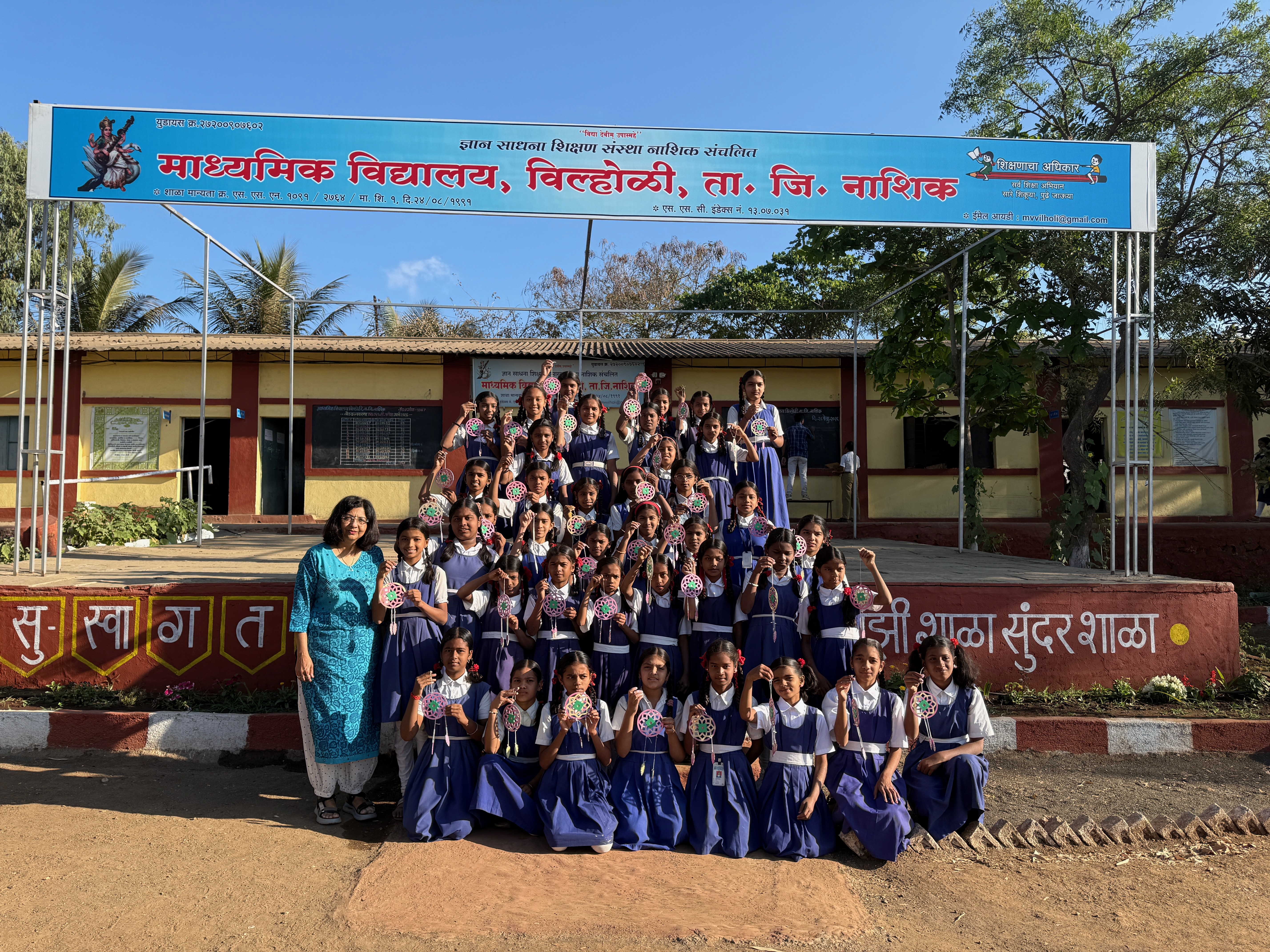
Bring holistic learning to your school
Partner with the Happy Art Project to integrate structured emotional development alongside your existing curriculum.
While many school programmes focus on academic performance, emotional and developmental readiness remains a critical — and often underserved — dimension of education.
Aligned with Happiness Curriculum Principles
The project reflects the core philosophy of Happiness Curriculum frameworks by promoting:
- Emotional awareness
- Mindfulness and self-reflection
- Calmness and focus
- Positive behavioural development
Encourages Experiential Learning
Rather than passive instruction, students engage in hands-on creative practice, reflective therapeutic exercises, and guided experiential learning processes. This supports modern learner-centric education models.
- Hands-on creative practice
- Reflective therapeutic exercises
- Guided experiential learning processes
Promotes Holistic Child Development
The project contributes to educational objectives around:
- Emotional intelligence
- Social-emotional learning
- Behavioural maturity
- Mental wellness
Supports Inclusive Education Goals
Because Mandala Therapy is visual and process-based, it provides an inclusive developmental tool for children across diverse backgrounds and learning styles — no verbal or literacy barriers.
Designed for Integration Within School Systems
The structured format allows schools to integrate the programme alongside the regular curriculum with minimal disruption while adding meaningful developmental value to everyday school life.
The outcome — a school where children thrive, not just perform
Traditional schooling builds knowledge and skills. The Happy Art Project builds
something equally vital — emotional resilience, self-awareness, and inner well-being that equips children to
succeed in school and in life.
When schools invest in the inner development of their students, the
impact extends beyond grades — into confidence, relationships, and community.